Men Embrace Makeup: A Shifting Beauty Landscape
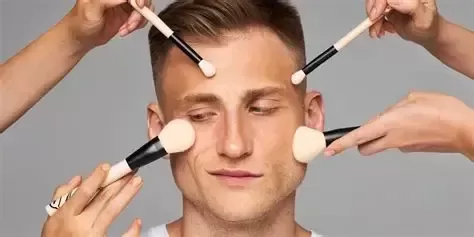
A shift is happening in front of bathroom mirrors and on social media feeds. What begins as a single product—a touch of concealer to mask fatigue, a swipe of brow gel for definition—is evolving into a full-fledged routine for a growing number of men. This movement is transforming male grooming from a niche interest into one of the beauty industry's most dynamic growth sectors.
Specialty retailers and major chains alike are recognizing the potential. The strategy is increasingly focused on integration, moving away from segregated "Men's" aisles that can feel exclusionary. Instead, complexion products are being placed within gender-neutral, skincare-focused displays, normalizing their use for everyone.
The Numbers Behind the Movement
The data confirms this is a substantial market shift. In the United States, men's grooming sales continue to show robust annual growth. Globally, the sector's value is projected to climb significantly this decade, with skincare leading the expansion.
Generation Z is the primary driver of this change. Recent surveys show a dramatic increase in the number of young men incorporating facial skincare into their daily lives. This isn't about occasional purchases; it's about building consistent regimens that often start with skincare and naturally expand to include other products.
- From Experimentation to Habit: Unlike one-off buys, makeup encourages repeat use. A man who starts with a concealer often progresses to primers, tinted moisturizers, or setting powders, becoming a loyal customer who restocks.
- Shifting Attitudes: Openness is rising. The percentage of men who state they would never use makeup has fallen notably in recent years, while a significant portion of heterosexual men now report using cosmetics or are open to trying them.
How Retailers Are Adapting
Brands and retailers are deploying smart strategies to engage this new audience and lower barriers to entry.
Leveraging Influencer Culture: A substantial portion of marketing budgets is now directed toward influencer partnerships, particularly on platforms like TikTok and Amazon. This places products directly in the social feeds of potential customers, making discovery and purchase seamless.
Digital-First Education: Uncertainty, not price, is often the biggest hurdle. To address this, some brands embed QR codes on packaging that link to straightforward video tutorials, allowing men to learn privately without the discomfort of asking for help in-store.
Strategic Collaborations: Major retailers are partnering with entities that hold sway with young male audiences. Launching exclusive brands with popular online collectives leverages built-in communities and credibility.
The Catalysts for Change
While men wearing makeup is historically nothing new, the modern commercial boom has clear roots. A broader cultural reset around masculinity, significantly accelerated by social media, has been pivotal.
Platforms like TikTok have democratized the learning process. Male creators share subtle, approachable tutorials—think 30-second clips on reducing redness or controlling shine—that normalize the practice. Billions of views on related hashtags underscore the massive interest.
For many younger consumers, products are no longer viewed through a rigid gendered lens. They are skeptical of overtly "for men" positioning and often gravitate toward brands marketed as gender-neutral. Simultaneously, grooming is increasingly framed as part of a holistic self-care and wellness routine, akin to fitness or nutrition, which helps remove lingering stigma.
Celebrity influence has also provided a major boost, with high-profile figures launching their own skincare and grooming lines, further validating the category and attracting mainstream attention.
The Future of the Category
As the market evolves, a key question emerges: is there a long-term future for "men's makeup" as a separate category? Industry observers note a bifurcation in approach.
- Some brands continue to emphasize biological differences, like oilier skin, and use traditionally masculine, tool-inspired packaging to appeal to those seeking tailored solutions.
- However, a growing contingent, especially younger shoppers, prefers brands that avoid gender labels altogether. For them, marketing products specifically "for men" can feel outdated.
The trajectory suggests a blending rather than a separation. In the coming years, the conversation will likely shift away from gendered categories altogether. The beauty binary is dissolving, and the market is finally reflecting a cultural reality where makeup is simply seen as makeup, for anyone who chooses to use it.