"Together" Redeems Tired Tropes with Nightmare Vision
The "it was all a dream" sequence: a cinematic device so hackneyed it's practically a punchline. From primetime soap operas obliterating entire seasons to horror flicks deploying jump scares with flimsy justification, its overuse has bred cynicism. But what happens when a filmmaker actually gets it right?
Michael Shanks, in his directorial debut "Together," offers a masterclass in crafting effective horror-movie nightmares. Starring Dave Franco and Alison Brie as a couple grappling with intimacy issues in a new, isolated environment, the film leverages dream sequences not as cheap thrills, but as integral elements of the narrative.
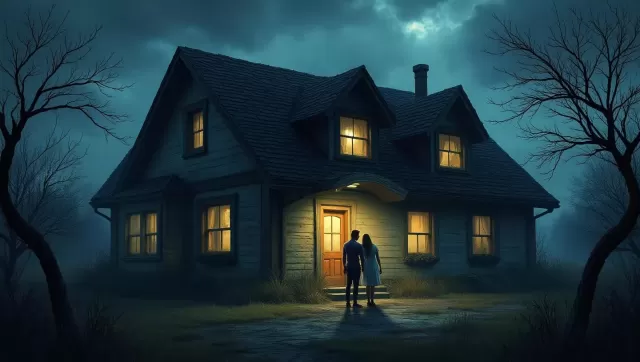
The film's atmosphere contributes significantly. Relocated to a remote locale, Tim and Millie find themselves stripped of their familiar support system. Their relationship, a blend of reliance and suppressed discontent, becomes the sole focus. This pre-existing tension makes the insertion of dream logic feel seamless.
Tim's nightmares stem from past family trauma, specifically his mother's struggle after his father's death. These nocturnal horrors amplify his anxieties about commitment, transforming his anxieties into vivid, disturbing visions.
Shanks cleverly utilizes familiar horror tropes: the supernatural as a representation of inner turmoil, the exploration of mental health. While these elements can easily fall into cliché or even exploitation, "Together" navigates them with striking directness, lending a dual significance to every scene.
The film's core conflict centers on Tim's hesitation to fully commit to Millie, haunted by the perceived failures of his parents' relationship. Millie, in turn, grapples with Tim's emotional distance. This underlying unease manifests as a monstrous force that seeks to physically bind them together – a Cronenbergian vision of enforced intimacy.
Crucially, Shanks respects the audience's intelligence. He employs distinct visual and auditory cues to signal the onset of a dream, avoiding deceptive editing. These nightmares aren't mere jump scares; they serve a narrative purpose. They cultivate a sense of dread, a mesmerizing terror that delves into the subconscious.
"Together" rests on a simple yet resonant metaphor: connection can be terrifying, especially when driven by external pressures rather than genuine desire. This fear, amplified by Franco and Brie's compelling performances, is balanced by moments of dark humor. As Tim and Millie begin to understand the absurdity of their situation, the film shifts into a kind of macabre comedy.
"Together" evokes the unsettling feeling of a nightmare you're relieved to escape. The dream sequences, therefore, feel authentic and impactful, contributing to the film's overall success. It's a testament to the power of thoughtful execution.