Oil Rises 7% as Israel and Iran Exchange Airstrikes
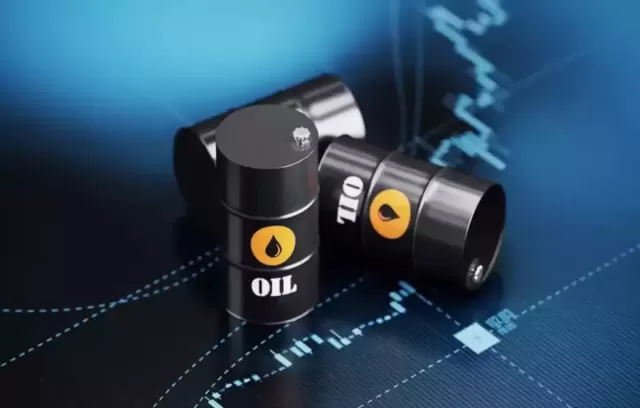
On Friday, oil prices climbed higher by 7% due to air strikes exchanged between Israel and Iran. It created an atmosphere of concern among oil investors over a possible disruption to exports from the Middle East.
Both the benchmark contracts witnessed the most significant price movement in a single day since 2022, when Russian aggression in Ukraine sent energy prices soaring. Israel said that on Friday it had targeted Iran's nuclear sites, rocket-making facilities, and army chiefs. The start of what it said would be a long war to try to stop Tehran from making an atom bomb. Iran said it would retaliate strongly. Just after the markets closed on Friday, Iranian rockets hit several buildings in Tel Aviv, with blasts heard in southern Israel.
U.S. President Donald Trump told Iran to negotiate a deal over its nuclear program as the strikes continued. National Iranian Oil Refining and Distribution Company said its oil refining and storing sites are safe and in operation. There is enough spare production capacity with OPEC and its allies, primarily Russia, to cover any such losses, which is about the same as Iran's own production, said the watcher of OPEC and its activities.
New concerns also set off alarm about being in trouble in the Strait of Hormuz, a shipping artery. "Saudi Arabia, Kuwait, Iraq, and Iran all depend on this small way out for their goods," Rabobank commented about the Strait. One-fifth of the world oil traffic goes through here: almost 18 to 19 million barrels per day of oil and various fuels.
"Israeli attacks have not targeted Iranian oil facilities as yet, such as Kharg Island, which is responsible for the output of some 90% of Iran's oil to other locations, so this makes us think that should the fight escalate further, it may indeed become an 'oil-for-oil' type of attack where one side may be hit in return for a hit on the other," said Ben Hoff, head of commodities at Societe Generale.
Iran would suffer much if blocking the Strait of Hormuz was in place, the experts said on Friday. "Iran needs this waterway open for its ships and goods, as it ships all its oil across the sea. Also, closing the strait would hurt Iran's relations with China, its only oil buyer," said the experts at JP Morgan.
Many people increased their bets on U.S. crude futures and options in the week ending June 10, said the U.S. Commodity Futures Trading Commission on Friday. Elsewhere, stock markets went down along with gold.